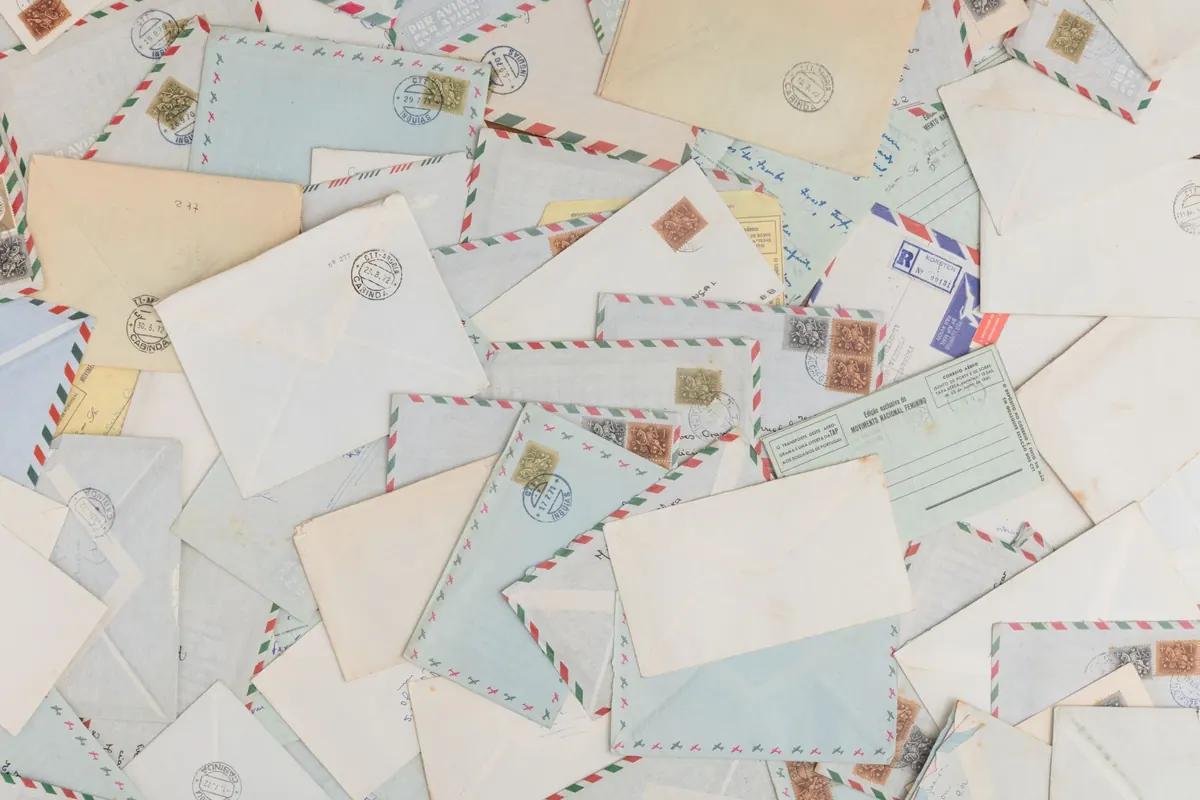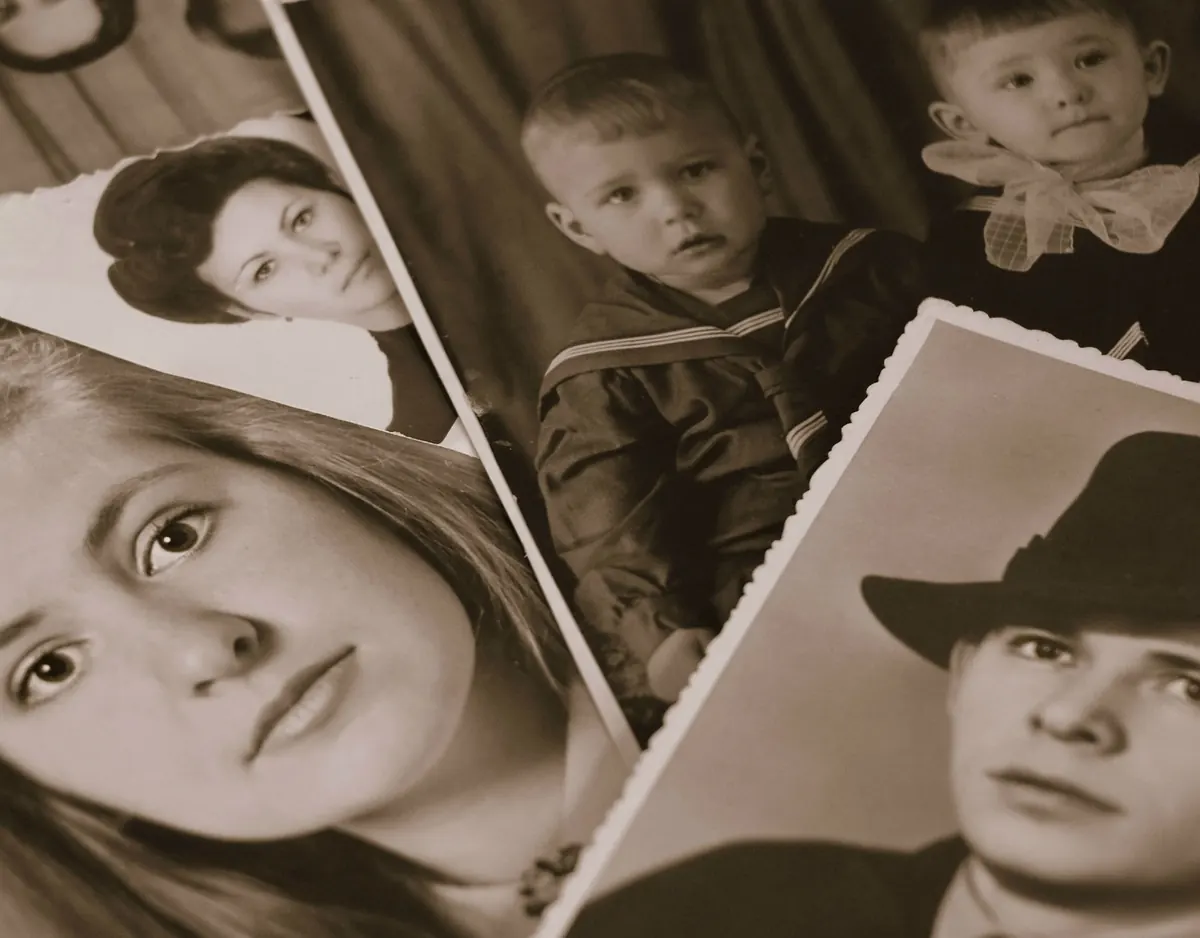
Most of us have a phone full of photographs, a drawer of old letters, and a handful of stories we repeat at family tables. Yet the memories we treasure are rarely the ones we planned to make. The afternoon someone taught you to make sauce. The walk home in the rain when nobody spoke. The way your grandfather tapped his watch before saying goodbye. These moments are easy to overlook because they arrive without ceremony. They are also the ones that often carry the most weight.
Preserving a personal memory is not about building a perfect archive. It is about noticing what has shaped you, what explains your family to itself, and what you would regret losing. The question is not “Was this important enough?” It is “Does this moment still have something to say?”
The Quiet Power of Ordinary Moments
A wedding, a graduation, a first day at school: these are obvious keepsakes. But a personal memory collection made only of milestones feels like a timeline, not a life. The texture comes from the ordinary. The kitchen table where homework was done beside a pot of soup. The car ride where a parent answered a question honestly. The Saturday morning routine of sweeping the step, buying bread, and arguing gently about the radio.
Ordinary moments matter because they repeat. Repetition builds familiarity, and familiarity builds identity. You may not remember every Sunday lunch, but you remember the ritual: who sat where, who always arrived late, what was served, how the room sounded. When you preserve the ritual, you preserve a whole way of being together.
Try this: instead of waiting for a big event, write down one small scene from the past week. Not the whole day. Just the moment when someone laughed at the table, or the particular light in the kitchen at six o’clock. A few sentences will do. The point is to catch the ordinary before it disappears into the next ordinary day.
Emotional Resonance Is the Real Filter
Emotional resonance is the quality that makes a memory stay with you after the facts have faded. It does not have to be joyful. A memory may hold tenderness, relief, embarrassment, pride, grief, or a mix of feelings you cannot name neatly. What matters is that the memory still produces a response. When you recall it, something in you shifts.
Ask yourself three questions about a candidate memory. First: what do I feel when I return to this moment? Second: what does this reveal about the person I was, or the people around me? Third: would I want someone I love to know this detail about our family? If the answer to any of these is strong, the memory is worth keeping.
Be careful not to mistake intensity for value. A dramatic argument may be vivid, but that does not automatically make it worth preserving in a shared family record. A quiet moment of forgiveness may be far more revealing. The best memories are not always the loudest. They are the ones that carry meaning you can still feel.
Family Value: What Belongs to More Than One Person
Some memories are personal in the narrow sense: they belong mainly to you. Others are family property, even if nobody has ever written them down. The story of how your parents met. The recipe that is always made for a birthday. The saying your grandmother used when she wanted you to stop arguing. These are small pieces of inheritance.
Family value does not require famous ancestors or dramatic history. It requires context. A photograph of a family meal becomes richer when you know who cooked, who was missing, what year it was, and why everyone was wearing coats indoors. A recipe becomes more than instructions when you add the note that it was always doubled because cousins arrived without warning.
Capture more than one voice when you can. Ask a relative to describe the same event you remember. The differences are not a problem. They are part of the record. One person remembers the rain; another remembers the song on the radio. Together, those details make the memory sturdier.
The Details That Keep a Memory Alive
Vague memories fade fastest. “We had a good time” gives future readers nothing to hold. Specific details give a memory hooks. Name the place. Describe the weather if it mattered. Note the object on the table, the phrase someone used, the clothing that seemed ordinary then and strange now. A memory becomes easier to revisit when it has texture.
Compare these two notes. “We visited my aunt one summer.” Or: “We visited my aunt in July. She kept the curtains closed against the heat and cut peaches into a blue bowl. My father fell asleep in the chair with his shoes still on.” The second version is not more important. It is simply more alive.
A simple memory note
When you sit down to record a memory, use a few plain prompts:
- Where and when: the place, season, year, or even the time of day.
- Who was there: names, relationships, and who was missing.
- What happened: the action, not the whole life story.
- One detail: a sound, smell, object, phrase, or gesture.
- What it felt like: the emotion you remember, even if it was mixed.
- Why keep it: one sentence about what this memory explains or preserves.
You do not need polished prose. A rough note written today is more useful than a perfect memory you never write down. If writing feels slow, record a short voice note. If a photograph exists, add a caption with names, dates, and context. Future readers will thank you for the plain facts as much as the feeling.
Choosing What to Save and What to Let Go
Not every moment needs preserving. A family archive can become a burden if it includes everything, and a personal memory practice can become another task to fail at. Selection is part of the work. Use a simple test: keep the memories that carry feeling, explain a family habit, mark a small turning point, or answer a question someone might ask later.
Let go of the rest without guilt. You are not obligated to document every holiday or save every school drawing. A few well-chosen memories, described with care, often tell a richer story than a crowded folder of unnamed files. The goal is not completeness. The goal is recognition.
Also consider privacy. Some memories are yours alone, and some family stories are not yours to share. Before adding a sensitive detail to a shared album or group chat, ask the people involved. A memory can be preserved privately and still be valuable. Respect is part of preservation.
A Short Practice for Preserving One Memory This Week
Choose one memory that keeps returning to you. Set aside fifteen minutes. Write a short note using the prompts above, aiming for one paragraph rather than a full history. Add one supporting detail if you have it: a photograph, a voice recording, a recipe card, or a line in a notebook. Then ask one relative a single question about the same moment. You are not building an archive in a day. You are saving one piece of it.
Store the note somewhere you will find it again, and add a reminder to return to it in a few months. When you do, you may notice a detail you missed the first time. That is how a memory stays alive: not by being locked away, but by being revisited, corrected, and shared. The moments worth preserving are often the quiet ones. Give them a page, a caption, or a few spoken sentences, and they will have a better chance of surviving than the ones you assumed you would never forget.
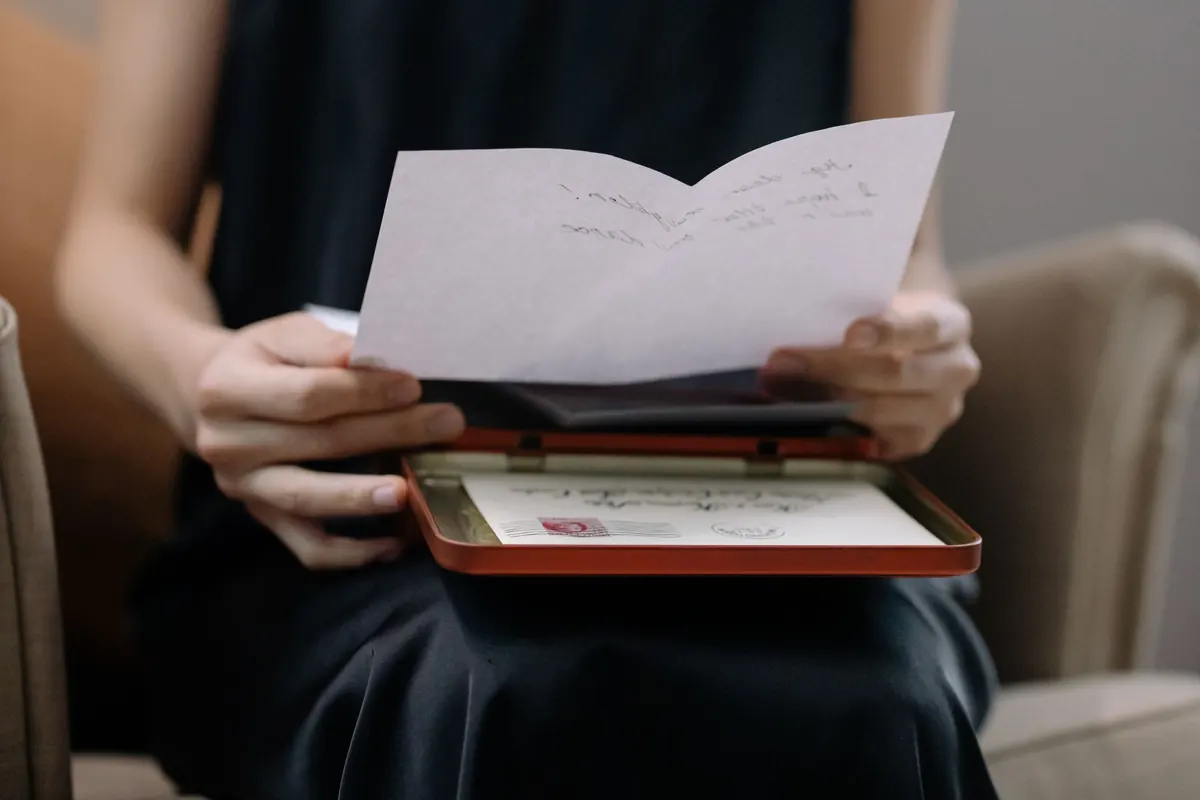
Photo: cottonbro studio / Pexels