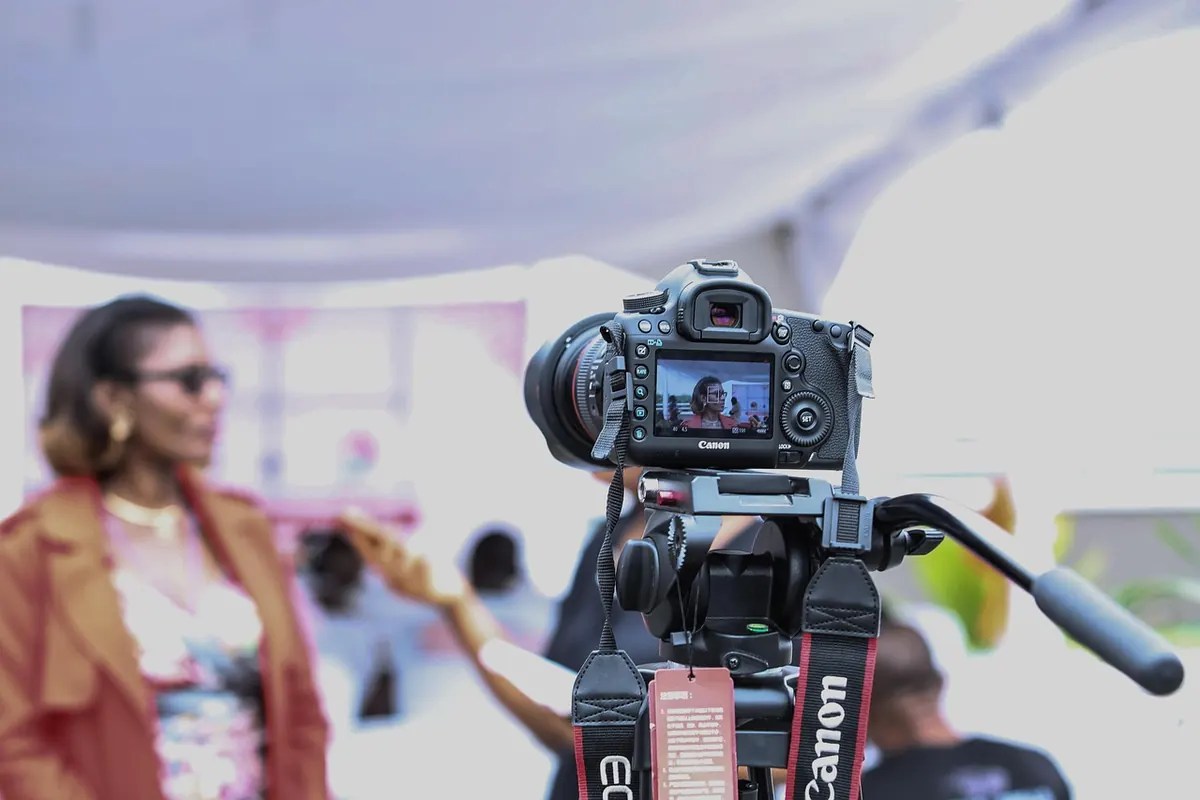
Recording an elder's memory sounds simple: sit down, press record, ask about the old days. In practice, the recorder clicks on and the room goes quiet. Questions that seemed obvious a moment ago evaporate. Your grandmother gives one-word answers. Twenty minutes in, you realize you never asked her mother's maiden name, and the conversation has already moved on.
The difference between a stiff half-hour of throat-clearing and a recording your family will still be listening to in thirty years is almost never the equipment. It's the preparation that happens before anyone presses record.
The ten questions below aren't for your elder. They're for you — the person holding the microphone. Work through them honestly, and the interview itself becomes much easier.
Why Ask Questions Before You Ask Questions
A recorded memory is an unrepeatable artifact. You can always go back and ask a follow-up, but you can't go back and ask a person who is no longer there. That asymmetry is what makes preparation worth the effort. It also means the biggest risks are not technical — bad audio, a dead battery — but human: catching someone on a bad day, stumbling into a subject they've spent fifty years avoiding, or letting a silence stretch so long that they decide the interview is over.
Think of these ten questions as a pre-flight checklist. None of them takes long to answer. Together they decide whether you come home with a keepsake or a curiosity.
The Checklist: 10 Questions to Ask Before Recording an Elder's Memory
1. Whose story is this to tell?
Before anything else, confirm that your elder actually wants this recorded — and be specific about what "this" means. Do they understand where the recording will live, who might hear it, and whether it could be shared beyond the family? Ask directly: Are there parts of your life you'd rather leave out? People often have one or two topics they've quietly closed off — a divorce, a sibling estrangement, a war experience. Knowing the boundaries in advance lets you steer around them gracefully instead of discovering them mid-sentence.
2. What am I actually trying to capture?
A family keepsake, a historical record, a gift for a milestone birthday, and a source for genealogical research are four different projects. The purpose shapes everything: how long you talk, how much you interrupt with dates and spellings, whether you need a transcript, and who gets a copy. Write the purpose down in one sentence. If you can't, you're not ready to record.
3. Who else should be in the room — or out of it?
Siblings can unlock memories ("tell her about the time the car caught fire"), but they can also dominate, correct, and compete. A spouse in the room can either comfort or censor. Ask your elder who they'd like present. If the answer is "just you," take them at their word — and gently tell the relatives who wanted to watch that there will be another session.
4. What's the one story I've always wanted to hear in full?
Most families have a legend: the escape, the courtship, the business that failed, the letter that changed everything. You've heard the thirty-second version at dinner a dozen times. This recording is your chance at the long version. Name that story now, in writing, and plan to reach it in the first half of the session, while energy is high. Everything else can come after.
5. What do I already know — and what's already been written down?
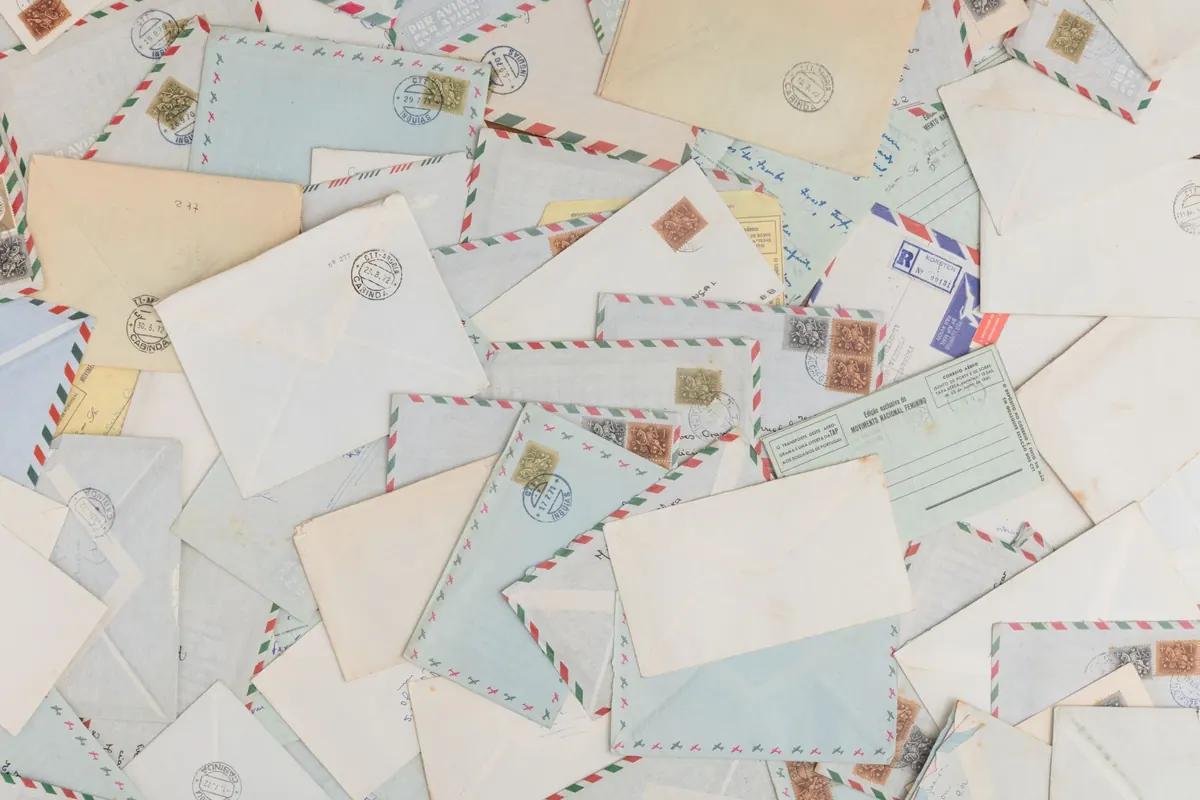
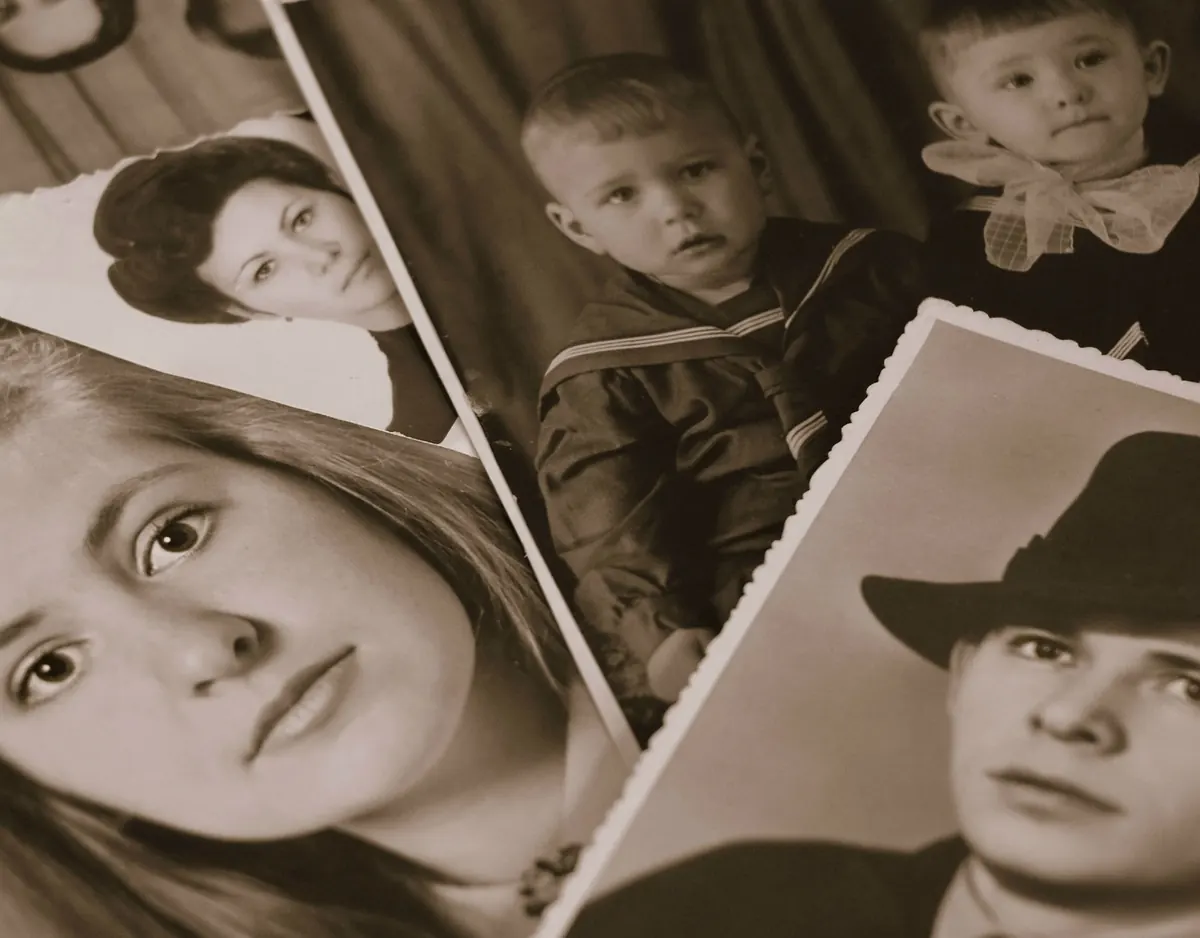
Spend an hour with the photo albums, the old letters, the family bible, the obituaries you can find online. Not to show off, but to ask better questions. "You were born in 1938 in Gary, Indiana — what was the house on Adams Street like?" lands very differently from "Where were you born?" Familiarity also protects you from the most common wasted question of all: So, tell me about your childhood.
6. Which names, places, and dates will I need to get right?
Write down the spellings and pronunciations you're unsure of before the session: maiden names, villages that no longer exist, the cousin everyone called "Bud." Ask your elder to spell them on the recording, even if it feels fussy. Future listeners — and future researchers — will thank you. If there's a language gap, decide in advance whether a family interpreter should be present, and record both voices.
7. What's the weather like today — physically and emotionally?
Health is the variable most people forget. Is your elder hard of hearing on one side? Do they tire by mid-afternoon? Is a recent loss, a hospital stay, or a bad night's sleep hanging over the day? Choose a time when they're freshest, usually mid-morning. And build in a real escape hatch: If you get tired or you'd rather stop, just say so and we'll stop. No explaining needed.
8. How long should we go, and where will we stop?
An hour is a long time to talk. Forty-five minutes is usually better, and two or three shorter sessions almost always produce richer material than one marathon. Decide the endpoint out loud at the start — "we'll go about an hour, and then we'll have tea" — so neither of you is watching the clock in silence.
9. What equipment am I using, and what's the backup?
Test the setup on yourself the day before. Know how to start, pause, and save. Carry a spare battery and a second device — even a phone in your pocket — because a single file that fails to save is the most heartbreaking outcome in this whole process. Use an external microphone if you have one, place it closer to your elder than to you, and silence notifications.
10. What happens to this recording afterward?
Decide before you leave: Will it be transcribed? Backed up in two places? Shared with cousins, or kept private? Does your elder want to review it before anyone else hears it? Write the answer down and tell them. A recording that vanishes onto a forgotten hard drive is a recording that never happened.
Before You Press Record: A Five-Minute Setup
- Charge everything. Phone, recorder, and any external mic. Bring a cable.
- Two devices, rolling. Redundancy is not paranoia; it's basic courtesy to the future.
- Quiet the room. Turn off the TV, the radio, the ceiling fan, and the phone ringer.
- Label the file immediately. Name, date, place, session number.
- Say the metadata out loud. "This is Sarah interviewing my grandmother Rosa Bianchi, June 14th, at her kitchen table in Erie, Pennsylvania." That sentence alone makes the file usable forever.
Questions to Keep in Your Pocket
Good interviews are mostly good follow-ups. When an answer is thin, don't move on — go one layer deeper:
- "What did the room look like?"
- "What could you smell in that house?"
- "Who else was there, and what were they doing?"
- "What were you afraid of?"
- "What did your mother say when she found out?"
- "Did anything about it make you laugh afterward?"
Silence is not failure. When someone pauses, they are often searching for the exact detail — the name of a street, the color of a coat. Count to five before you rescue them.
After the Recording
- Save the file, then copy it to a second location before you go to bed.
- Write a short note of the people, places, and dates mentioned, while they're fresh.
- Consider a transcript — even an imperfect one makes the recording searchable and shareable.
- Send your elder a copy, or sit and listen together. It's often the best thank-you you can give.
- Schedule the next session while you're still in the room.
Common Mistakes to Avoid
Don't turn the interview into a quiz. Dates matter, but feeling matters more; let the chronology sort itself out later. Don't talk over them to finish a sentence — older speakers often need a beat longer, and the interruption becomes permanent on tape. Don't ask leading questions that supply the emotion ("That must have been terrifying, right?"); ask open ones and let them choose the word. And don't record only once. Memory is associative, and the second session almost always goes deeper than the first.
Finally, remember that the recording is the byproduct. The real thing happening in that room is attention — an hour in which someone's life is treated as worth documenting in detail. Do the ten-minute checklist, and you'll be free to give that hour properly.
Photo: Pexels / Pixabay