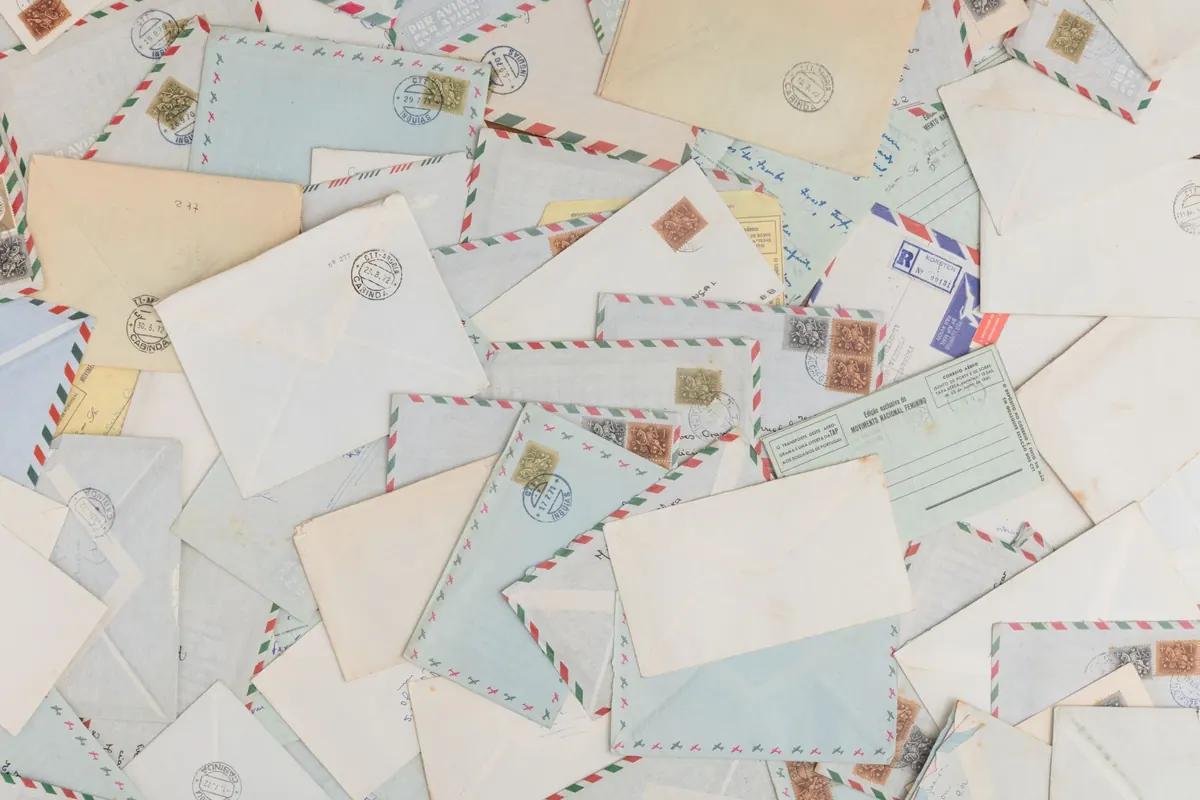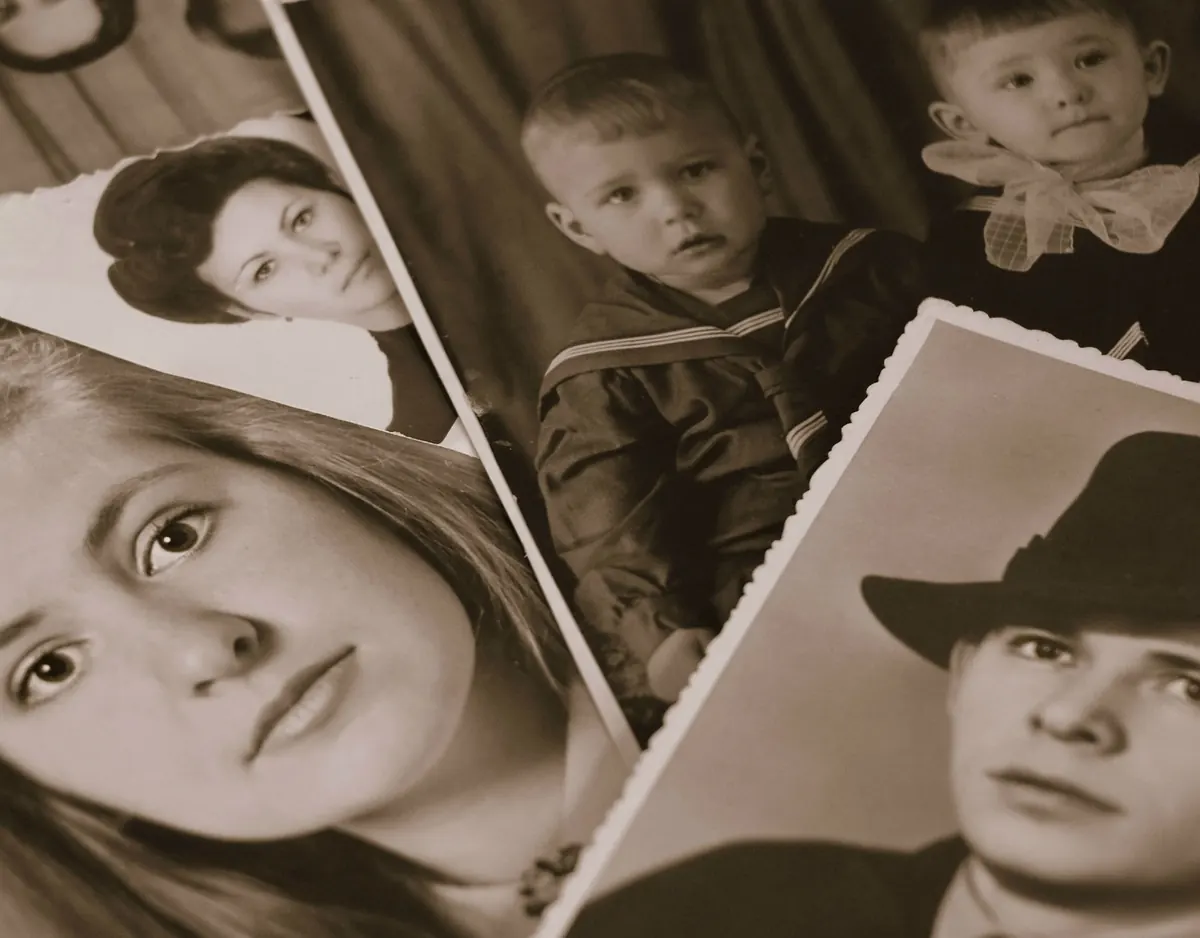
A photograph arrives in a shoebox, tucked inside a folded envelope. A young woman in a dark dress stands beside a studio chair, and someone has written “Maria, 1922” on the back in blue ballpoint. The pen alone tells you the note was added decades later. The dress could have been worn for mourning, for a wedding, or simply because it was the best thing she owned. The date might be close; it might be ten years off. Dating old family photographs is rarely a matter of finding one clue and declaring victory. It is a process of weighing evidence, noticing what is missing, and keeping your confidence honest. These are the mistakes that send family dates astray—and the small corrections that bring them back into focus.
Treating a single clue as a date
The most common error is also the most human: you spot a hairstyle, a collar, or a car and decide the photograph “must” be from a particular year. A single clue usually gives a range, not a date. A woman’s swept-up hair may suggest the late 1800s or early 1900s, but plenty of women kept an older style well after it left the fashion pages. A child in a sailor suit does not come with a calendar attached.
Family photographs are full of hand-me-downs, borrowed clothes, and outfits kept for best. That is why one strong-looking clue can lead you confidently in the wrong direction. Use it as one voice in a conversation, not as the final word.
- Fashion: useful for a broad era, weak for a precise year.
- Photographer: can date the studio, but not always the sitting.
- Mount or postcard style: good for a range; beware later copies.
- Inscription: helpful only if you know when and by whom it was written.
- Known family events: births, marriages, migrations, and deaths can narrow a window.
Correction: write down each clue separately, give it a rough range, and note how confident you are. Then look for the clue that contradicts the others. A date that survives several kinds of evidence is stronger than a date built on a hemline.
Reading clothing clues too literally
Clothing is one of the best tools for dating a family photograph, and one of the easiest to overread. A studio portrait shows the clothes a family chose for the occasion, not a page from a fashion magazine. In rural communities, immigrant neighborhoods, and households where money was tight, a good coat or dress might be worn for years and passed between sisters or cousins. A photograph taken in 1915 may show a dress made in 1904.
Look at the whole silhouette
Instead of fixing on one detail, look at the shape: shoulder line, waist position, sleeve fullness, collar height, hem length, and the way the garment hangs. These broad changes are more reliable than a single button or bow. If you have several family photographs from the same decade, compare them. Your own family album can become a reference collection.
Ask what the clothes were for
Mourning dress, work clothes, Sunday best, military uniform, and wedding attire all follow different rules. A dark dress is not automatically a mourning dress. A young man’s suit may be his only suit, worn for a portrait, a wedding, and a funeral. Correction: describe the garment before you date it. “Dark wool dress, high collar, full sleeves, floor length” is more useful than “1920s dress” because the description can be checked.
Ignoring photographer marks and mount styles
Turn the photograph over. The back is often the most informative part of the object: a photographer’s name, a town, sometimes an address and a decorative mark. Front imprints along the bottom edge matter too. A studio that operated in one town for only a few years can give you a firm window. A mount style—the card the print is glued to—can also suggest a period, though it dates the mount, not necessarily the moment the shutter clicked.
Use the mark as a lead, not a verdict
Write down the exact wording and spelling. Then check local archives, library collections, city directories, or the local history society for when that photographer was working at that address. If the family moved in 1912, a photographer’s mark from the old town is a useful boundary. But remember that a photograph can be copied onto a newer mount years later. The photographer’s active dates give you the earliest possible date, not always the actual one.
Correction: photograph the front, back, and edges. Record the mount size and any border. Keep those details with the scan. A neat note such as “imprint: Rossi, Via Roma; mount 10 x 15 cm; family in Naples until 1910” will save you from re-guessing later.
Trusting family inscriptions and stories too quickly
“That’s Grandma in 1912.” It might be. It might also be Grandma’s sister, or Grandma in 1918, or a photograph of someone else entirely that was labeled in the 1970s from memory. Family lore is valuable, but it is not the same as documentary evidence. Ink and ballpoint notes were often added long after the event, sometimes by a relative who was guessing.
Correction: separate what the photograph itself says from what the family says. Interview relatives separately if you can, and ask how they know. “Aunt Lena told me” is a memory; an inscription made at the time is a document. Record the source of every date and name. Do not write over an old inscription. Add your notes on a separate sleeve or in a digital file, and mark uncertain identifications with a question mark.
Forgetting that prints can be copies
An old photograph is not always an old print. Families copied photographs constantly: a treasured portrait might be rephotographed, reprinted, mounted, retouched, or turned into a postcard. A crisp print on stiff card can be a later copy of a much earlier image. A postcard back may be newer than the picture on the front. Scans make this harder to see because the texture of the paper disappears.
Correction: inspect the object, not just the image. Look for a visible copy line, a slightly soft focus at the edges, a crop that cuts into the original border, or a mount that seems too large for the print. Compare the image with other known copies. If you only have a digital file, ask whether the original still exists and photograph its back and edges before making a final call.
Overlooking context and overreading props
Props are tempting. A painted studio column, a carved chair, a toy, a car, a uniform: each can feel like a date stamp. But studio furniture was often generic and used for years. A car may be older than the photograph, repaired, borrowed, or photographed years after it was new. A uniform can be a militia or society uniform rather than regular military issue.
Still, context is worth collecting. The setting, the occasion, the presence of several generations, and the way people are arranged can all narrow possibilities. Was the photograph taken before a departure? After a wedding? During a visit from relatives who lived far away? Correction: describe the context first, then test it against known family events. If the prop is the only clue, keep the date range wide.
A practical closing: date with evidence, not certainty
Give every photograph a date range, not a false precision. A small working method helps:
- Scan the front and back; record any inscription exactly.
- List the evidence: photographer, mount, clothing, props, known events.
- Assign each clue a broad range and a confidence level.
- Look for contradictions before you settle on a date.
- Write a short note such as “likely 1905–1912; photographer active in Naples; inscription added later.”
A good date is one you can explain. If new evidence arrives, you can adjust the range without losing the story. That is not a failure of memory; it is how family history stays honest.
Photo: klimkin / Pixabay